Where I've been and what I'm doing
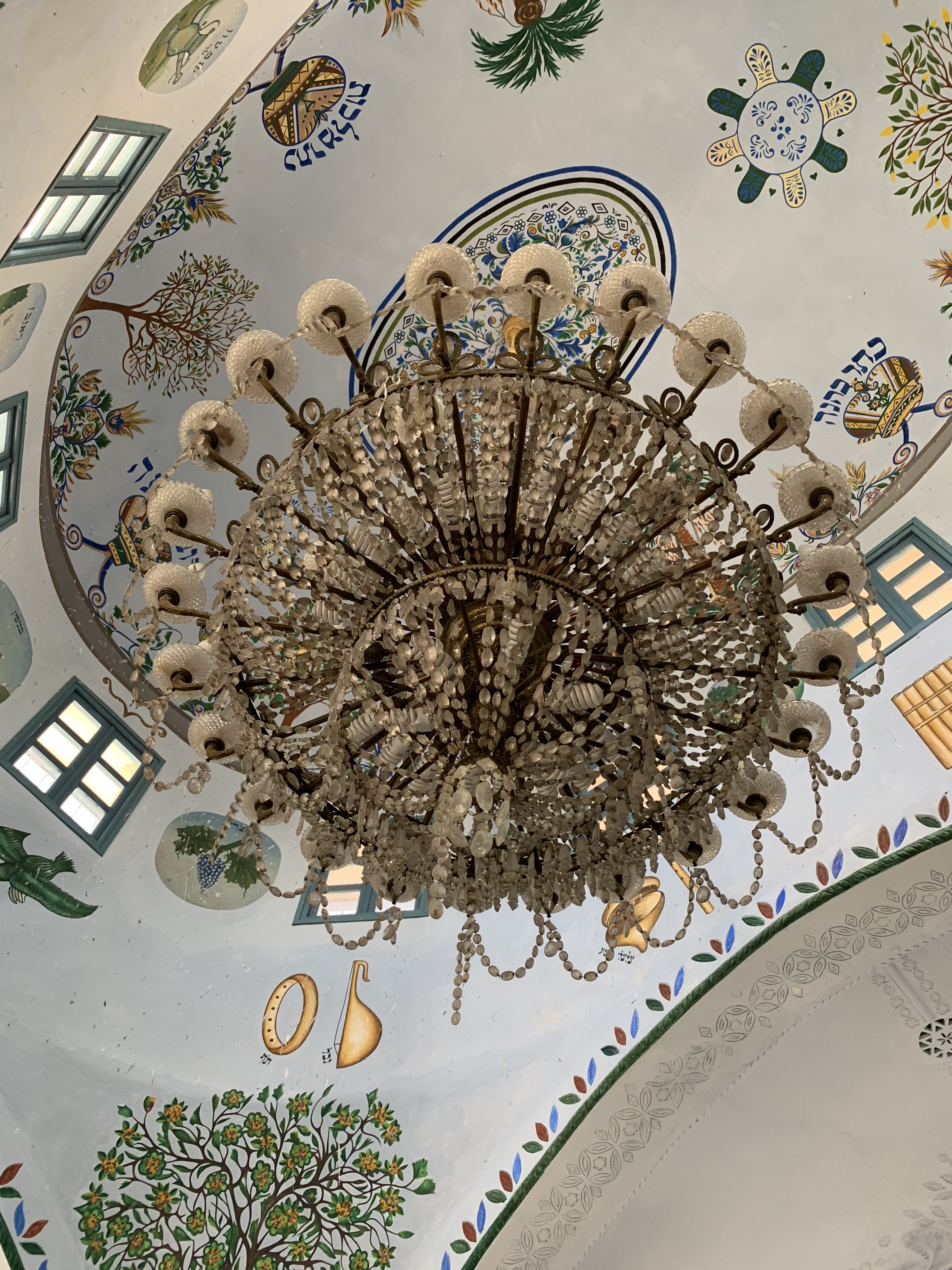
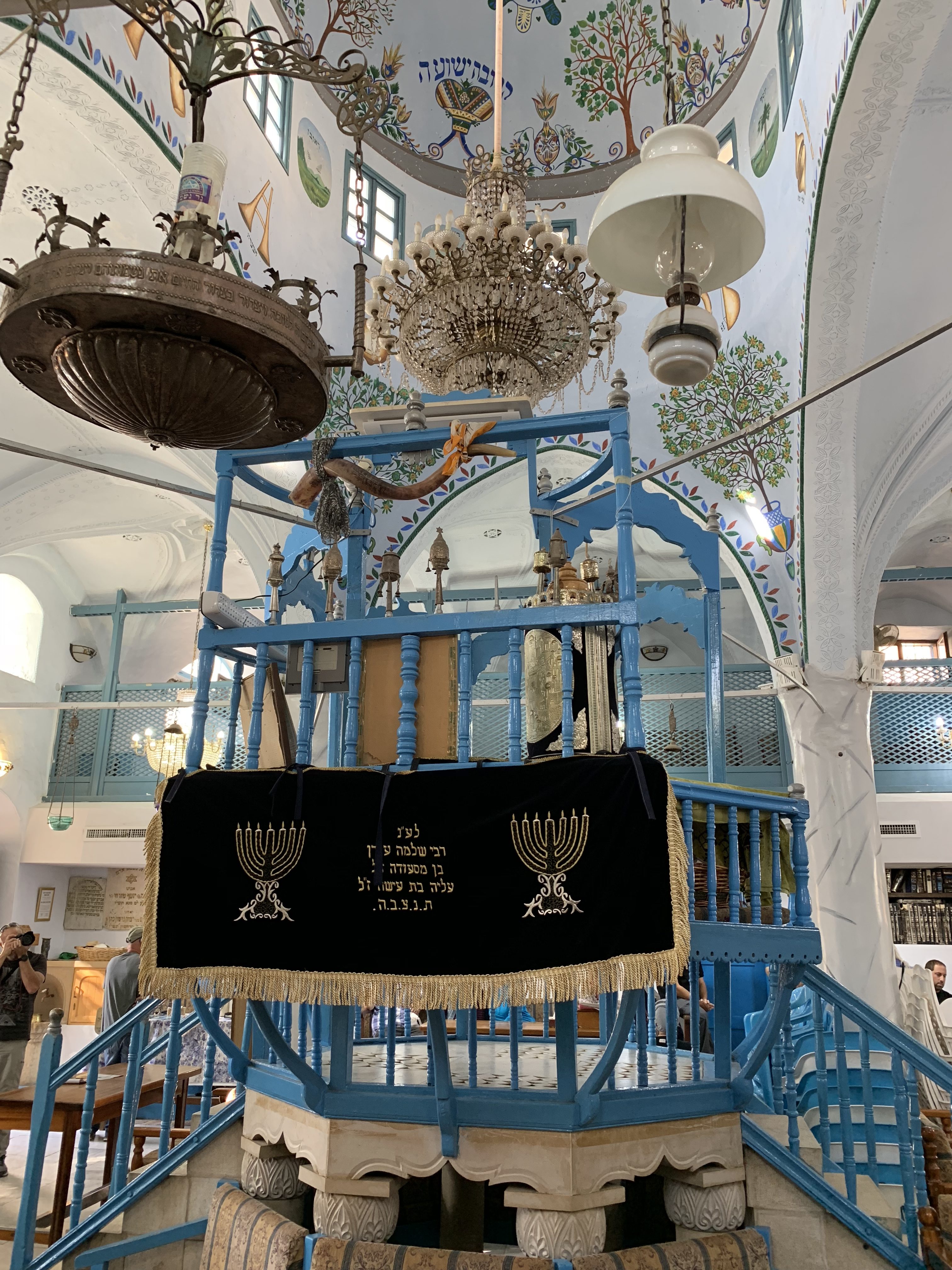
We visited the Abuhav Synagogue which was named after the 15th-century Spanish scholar Rabbi Yitzhak Abuhav. The Synagogue was founded in the 16th century and restored in the late 20th century. Inside, the four central pillars represent the four elements (earth, air, water and fire) that, according to Kabbalists make up all creation. The oval dome has 10 windows, one for each of the Ten Commandments; representations of the 12 Tribes of Israel; illustrations of musical instruments used in the Temple; pomegranates ( said to have the same number of seeds as there are Jewish commandments, 613); and the Dome of the Rock, a reminder of the Temple in Jerusalem.
In the spring of 1967 Arab capitals wanted to liberate historic Palestine, from what was seen as an illegitimate occupation by Israel. Egyptian President Nasser closed the Straits of Tiran to Israeli shipping. Jordan and Syria massed troops on their borders with Israel.
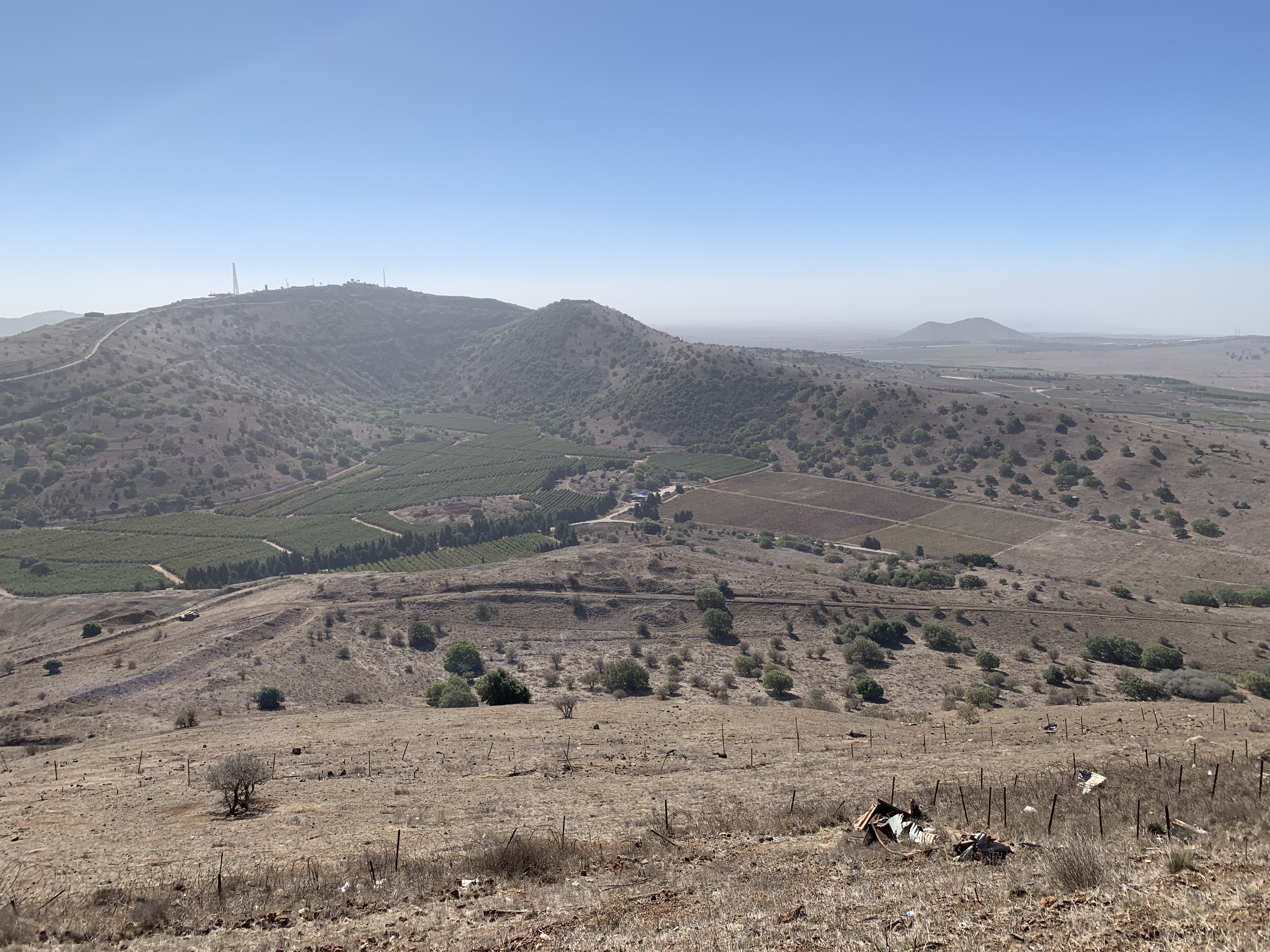
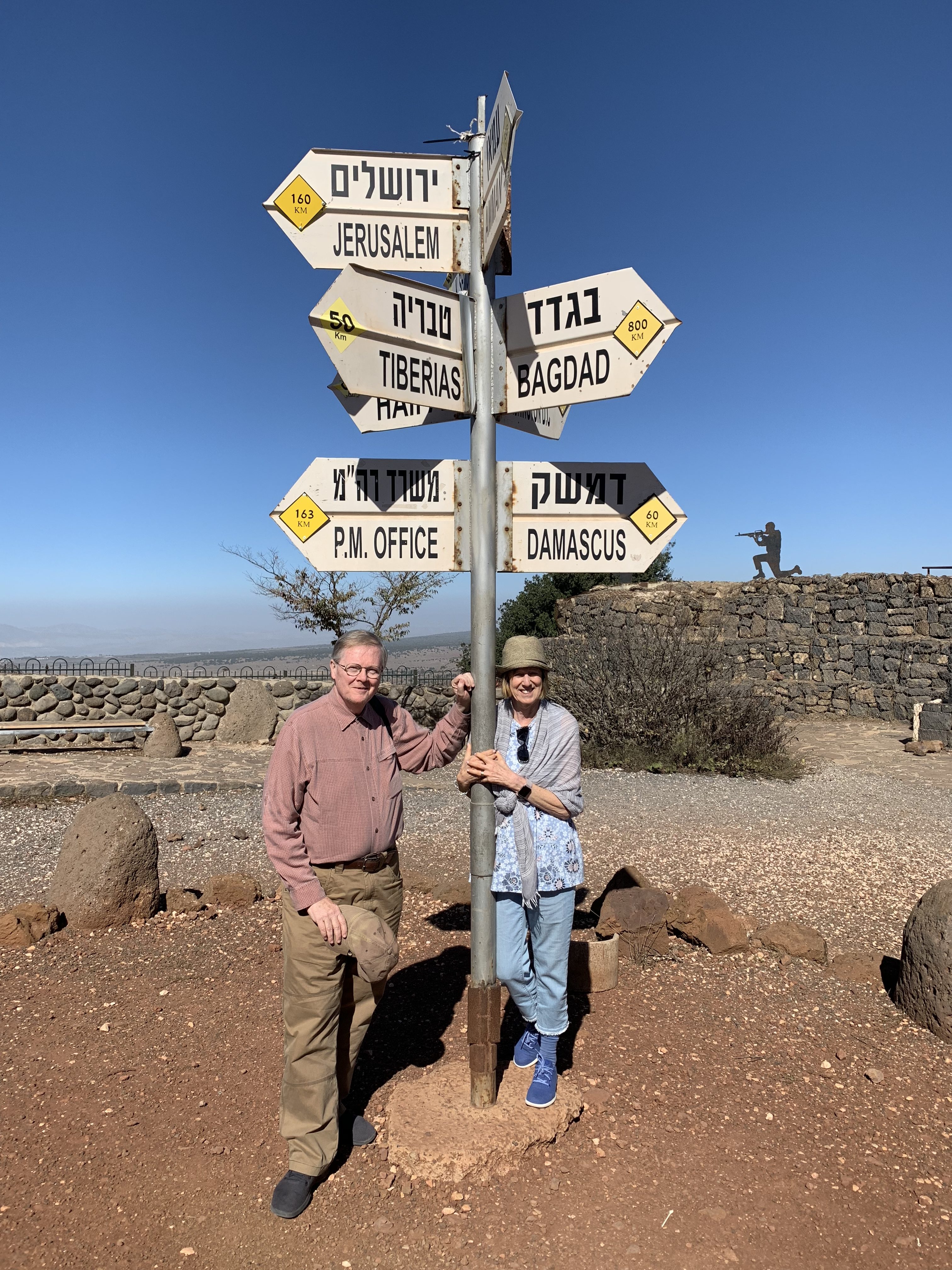
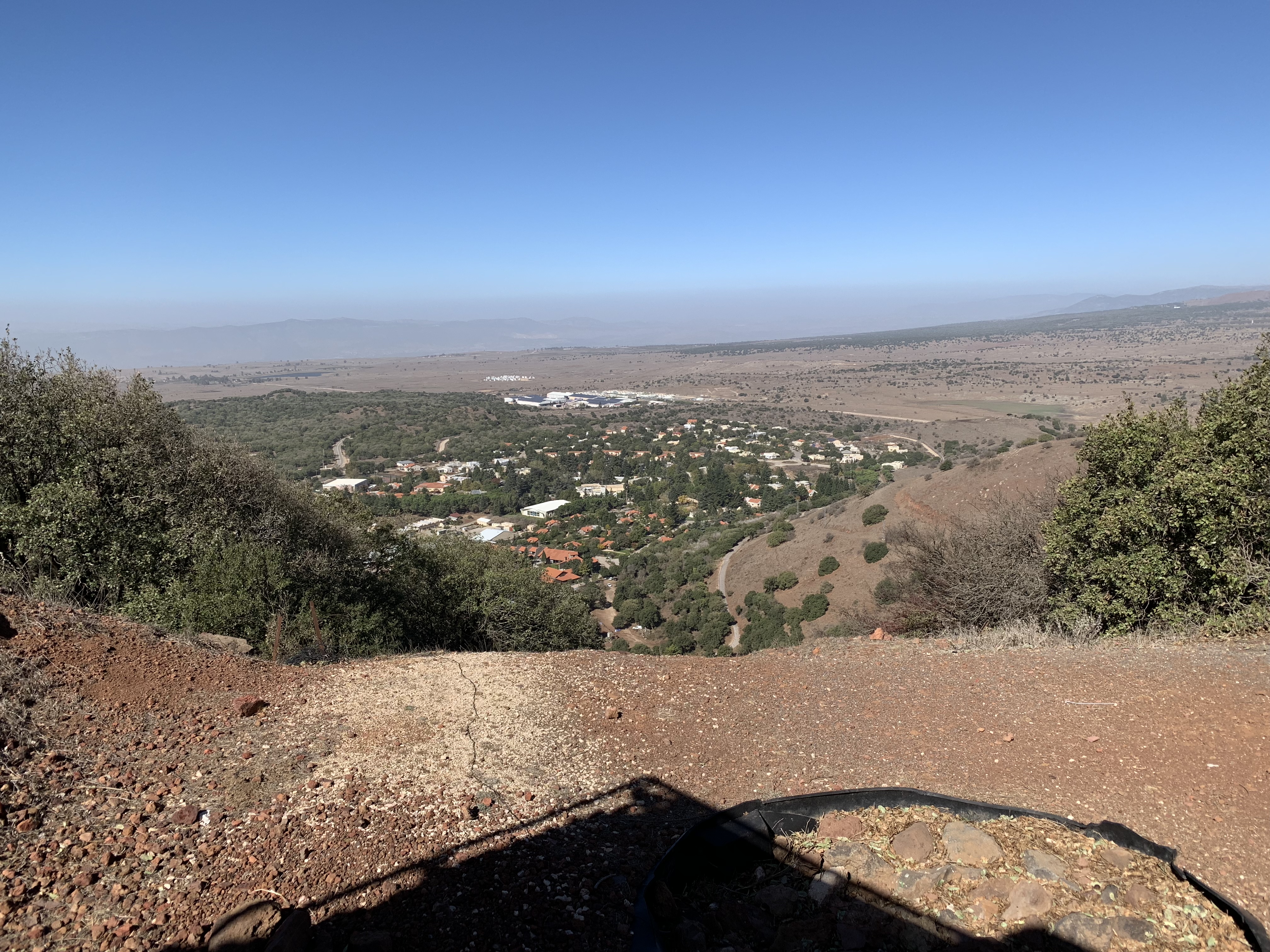
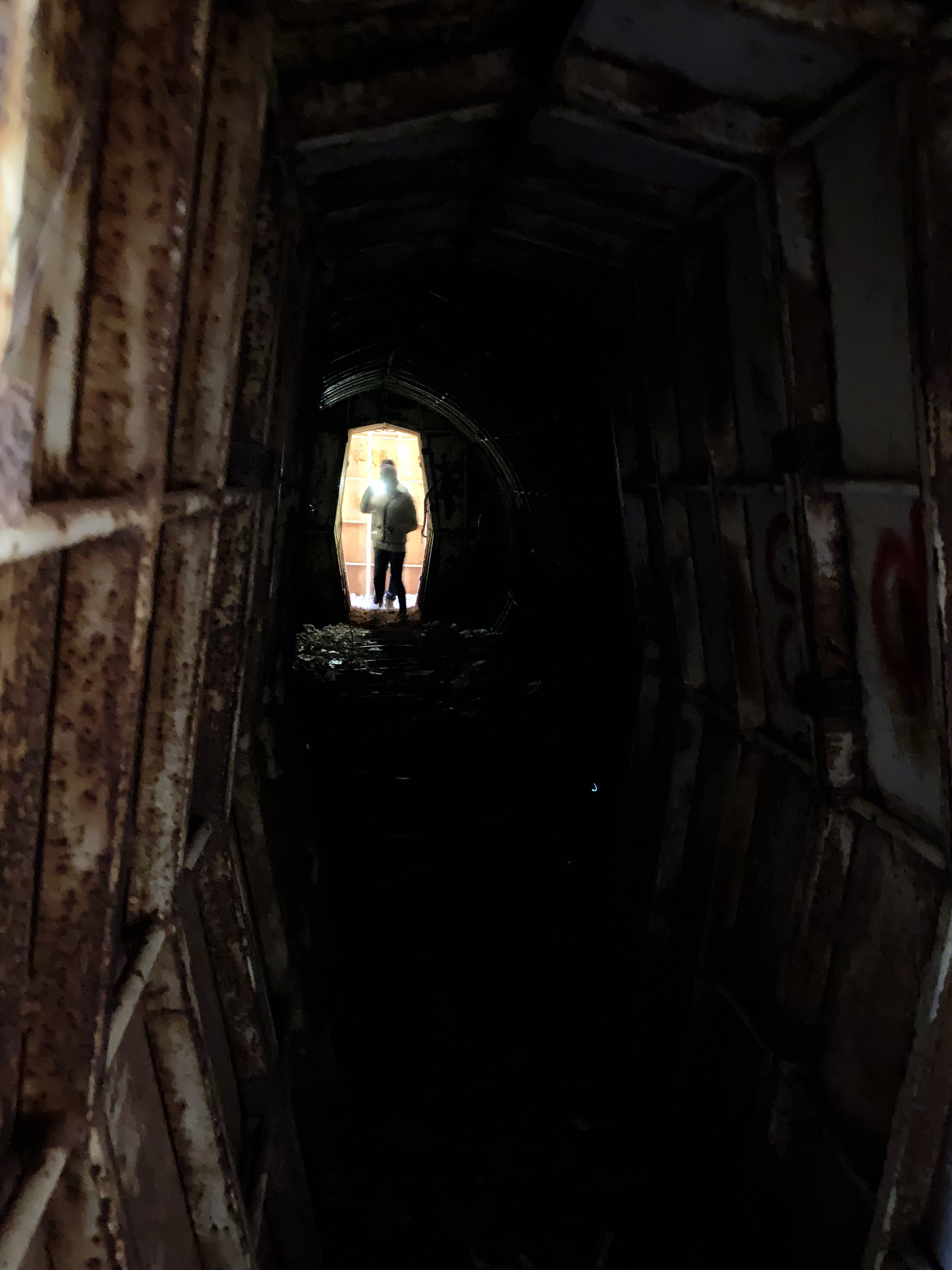
On June 6 Israel launched a pre-emptive attack on its Arab neighbors, devastating the armies of Syria, Egypt and Jordan. The conflict came to be known as the Six Day War. Israel captured Sinai and Gaza from Egypt, the West Bank and East Jerusalem from Jordan, and the Golan Heights from Syria. All around the Golan Heights you will see evidence of abandoned Syrian bunkers, old tanks and Israeli bunkers.
In 1973 Egypt and Syria launched a surprise attack on Israel on Yom Kippur. Unprepared Israel was forced to withdraw but soon rallied and pushed the Arab armies back. We stopped at Kibbutz El Rom to view a short movie about the battle called “Valley of the Tears.”
Next we visited the mountaintop city of Tsfat, which is a center of Kabbalah ( Jewish mysticism) since the 16th century. According to the Jerusalem Talmud, Tsfat was the site of one of the hilltop fire beacons used to convey news of the sighting of the new moon in Jerusalem. The Crusaders built a vast citadel to control the highway to Damascus.
During the 15th and 16th centuries, Tsfat’s Jewish community increased in size and importance thanks to an influx of Sephardic Jews expelled from Spain. In the late 1700’s, Tsfat welcomed Hasidim from Russia. Tsfat was decimated by the plague in 1742, 1812 and 1847, and devastated by earthquakes in 1759 and 1837.
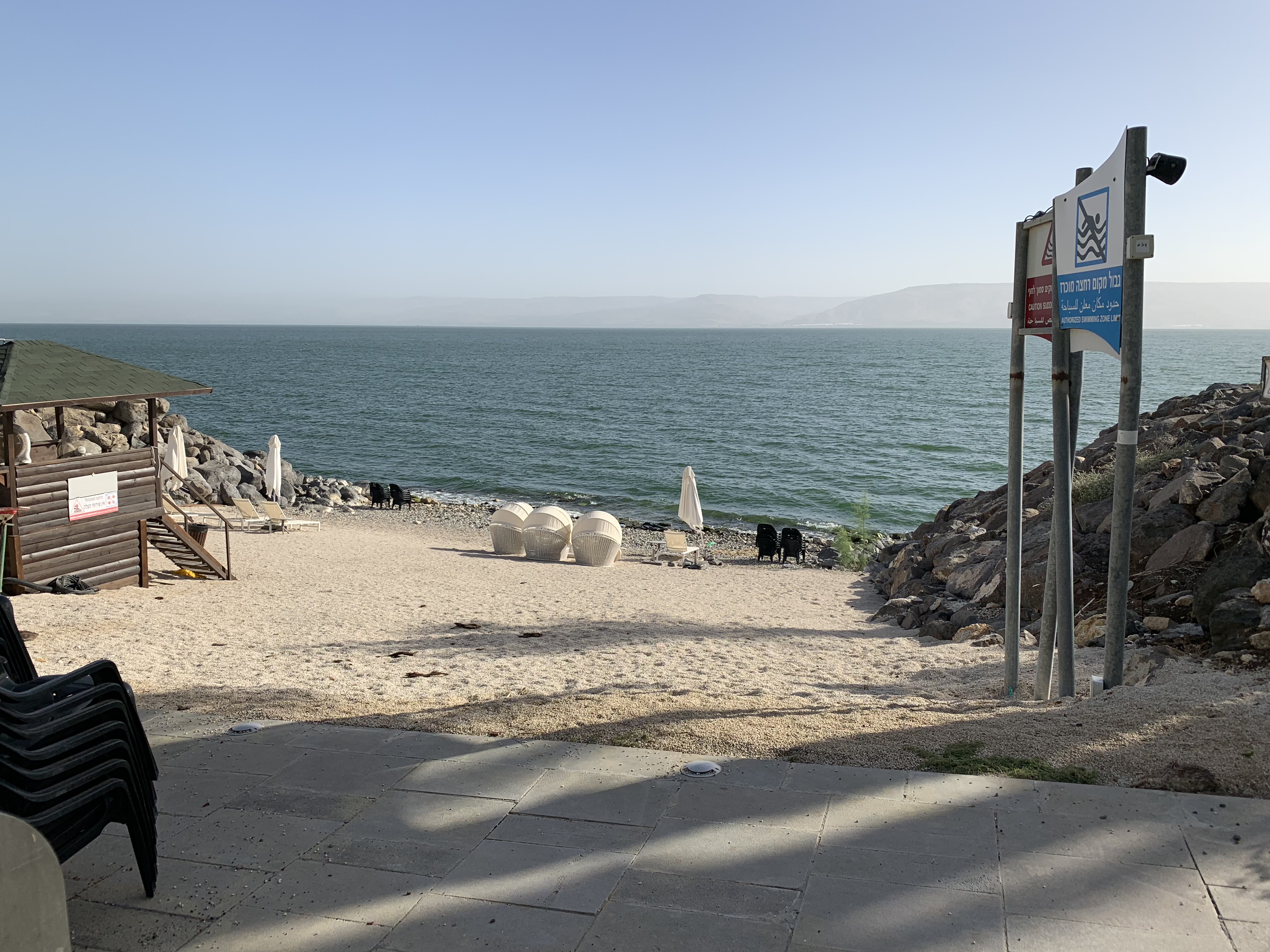
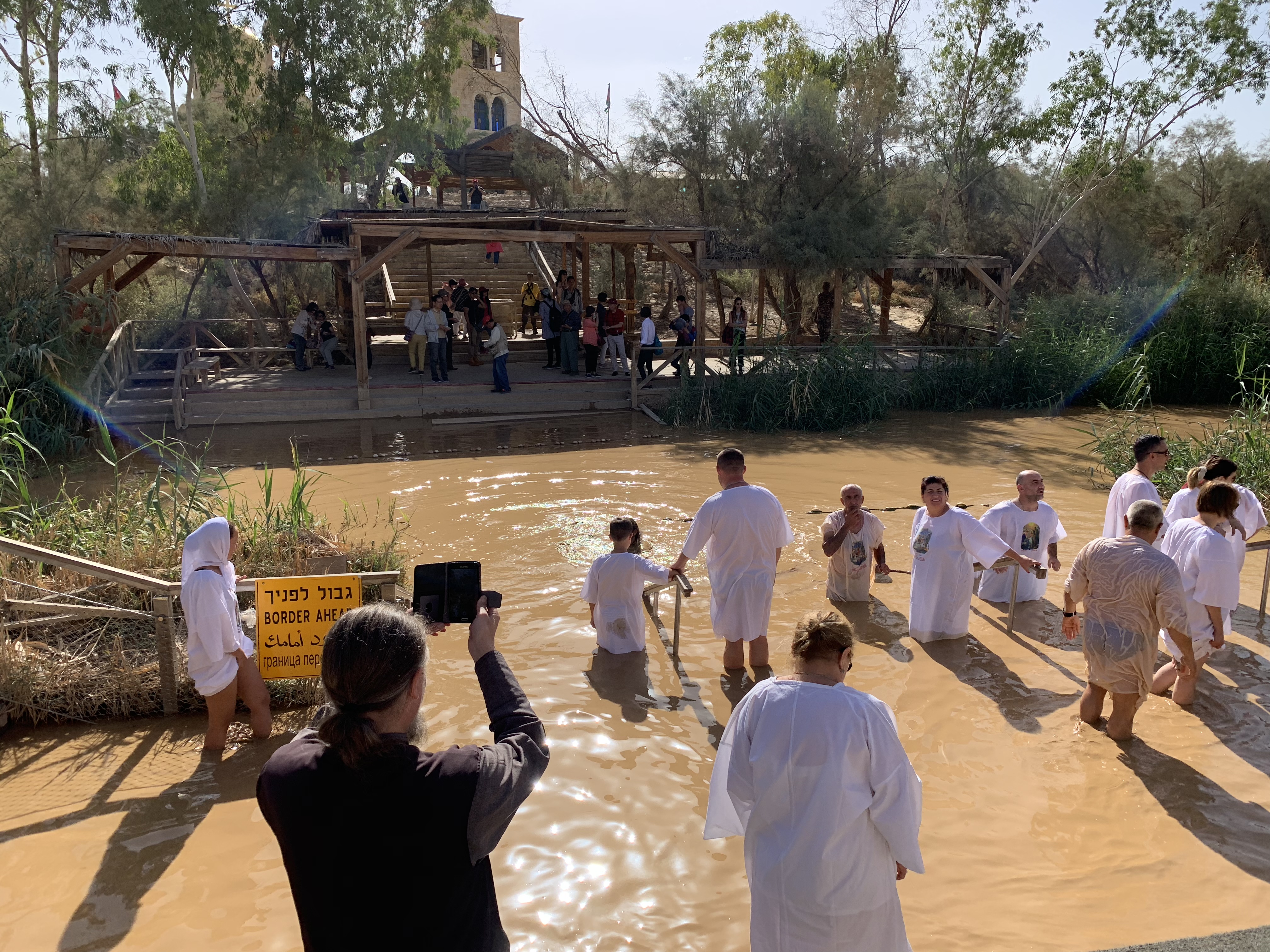
Itai picked us up and we left Jerusalem towards the Judean Desert. The Judean Desert is the smallest Desert in the world. Stopped by to see the Jordan River where many tourists go in the water to be baptized.
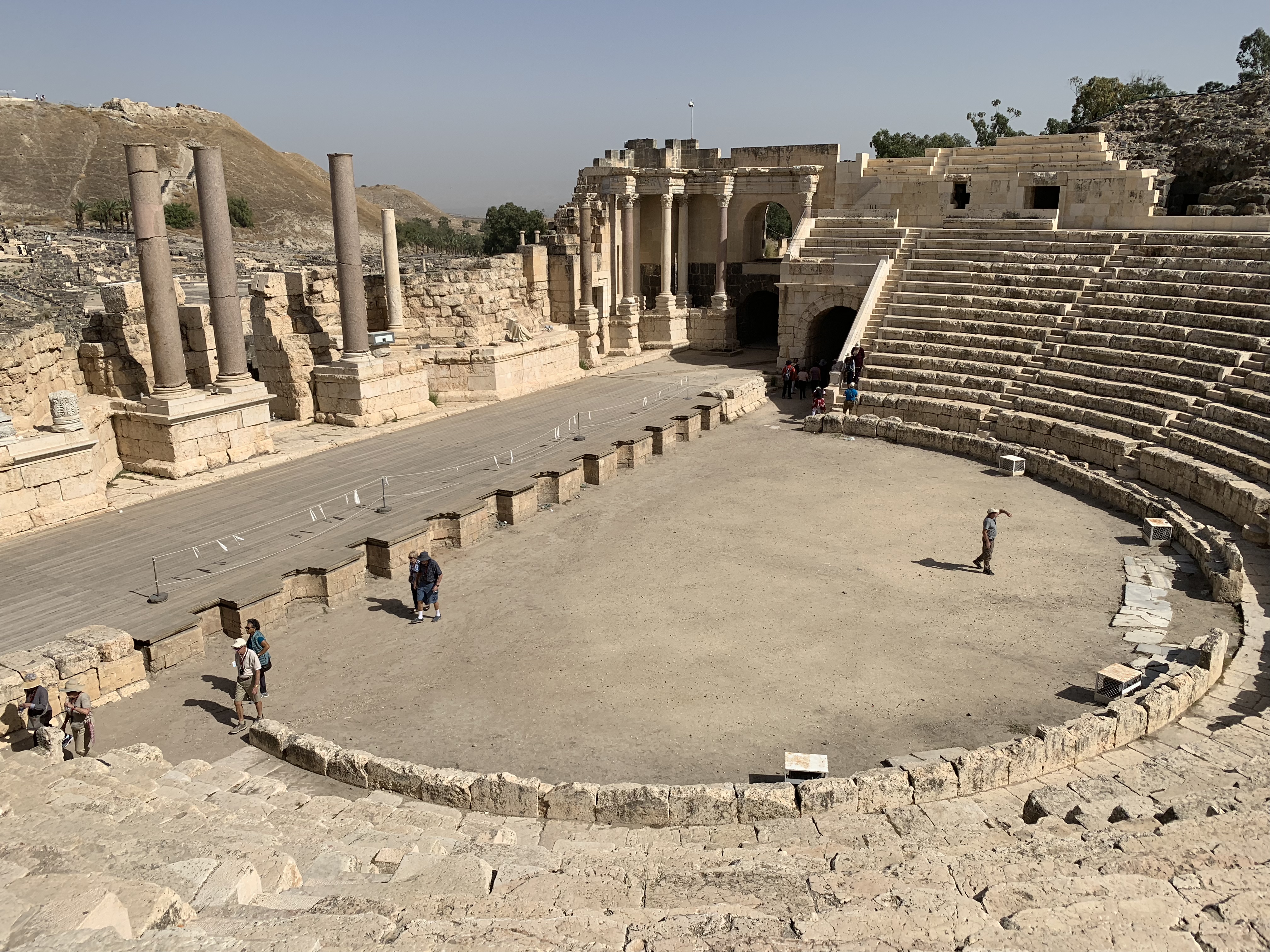
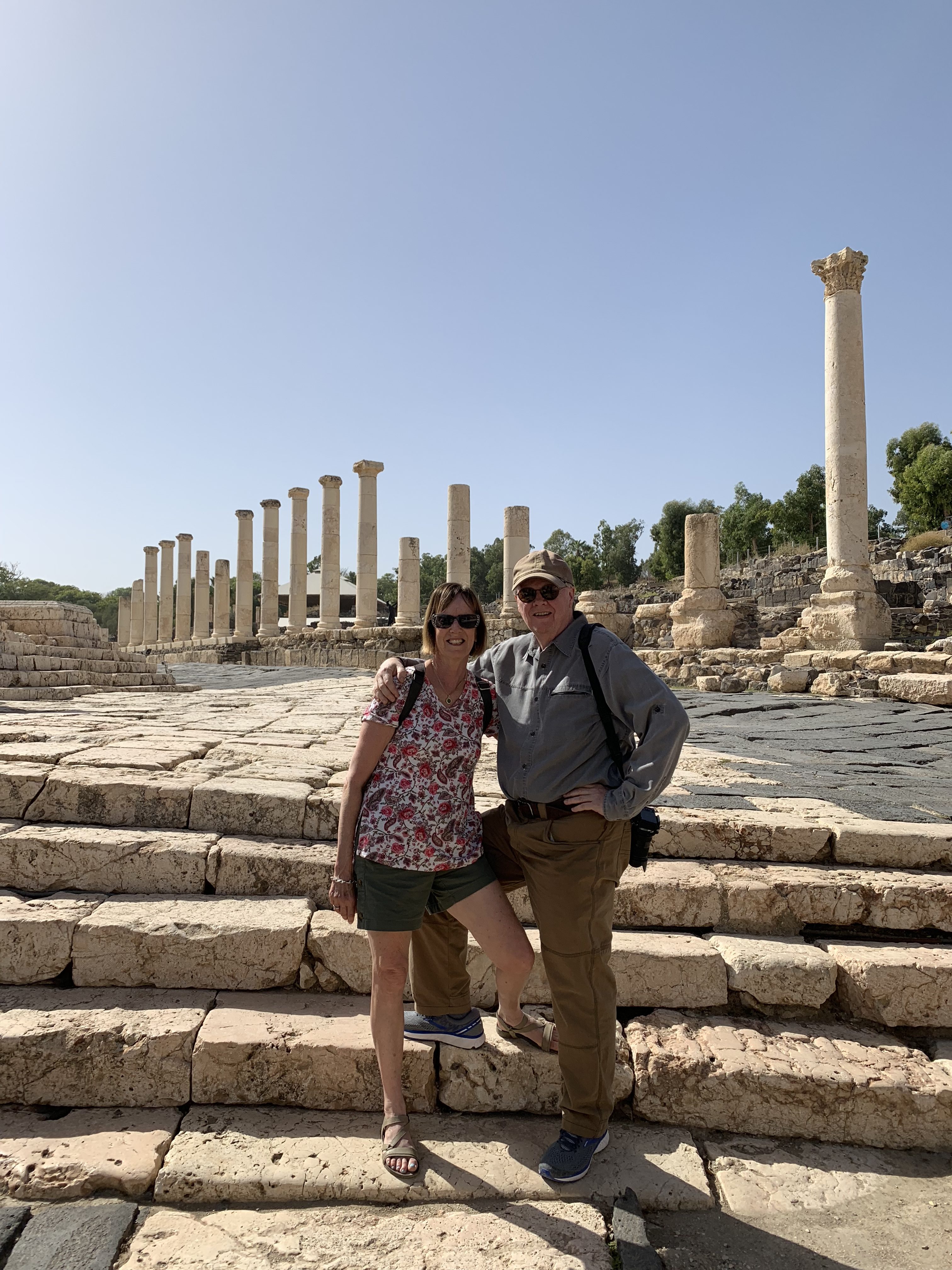
Our next stop was Beit She’An National Park which is situated at the intersection of the Jezreel Valley and the Jordan Valley. It has the most extensive Roman-era ruins in Israel and was leveled in a massive earthquake of 749 CE. Colonnaded streets, a 7,000 seat theatre, two bathhouses and huge columns are what remains of these extraordinary ruins.
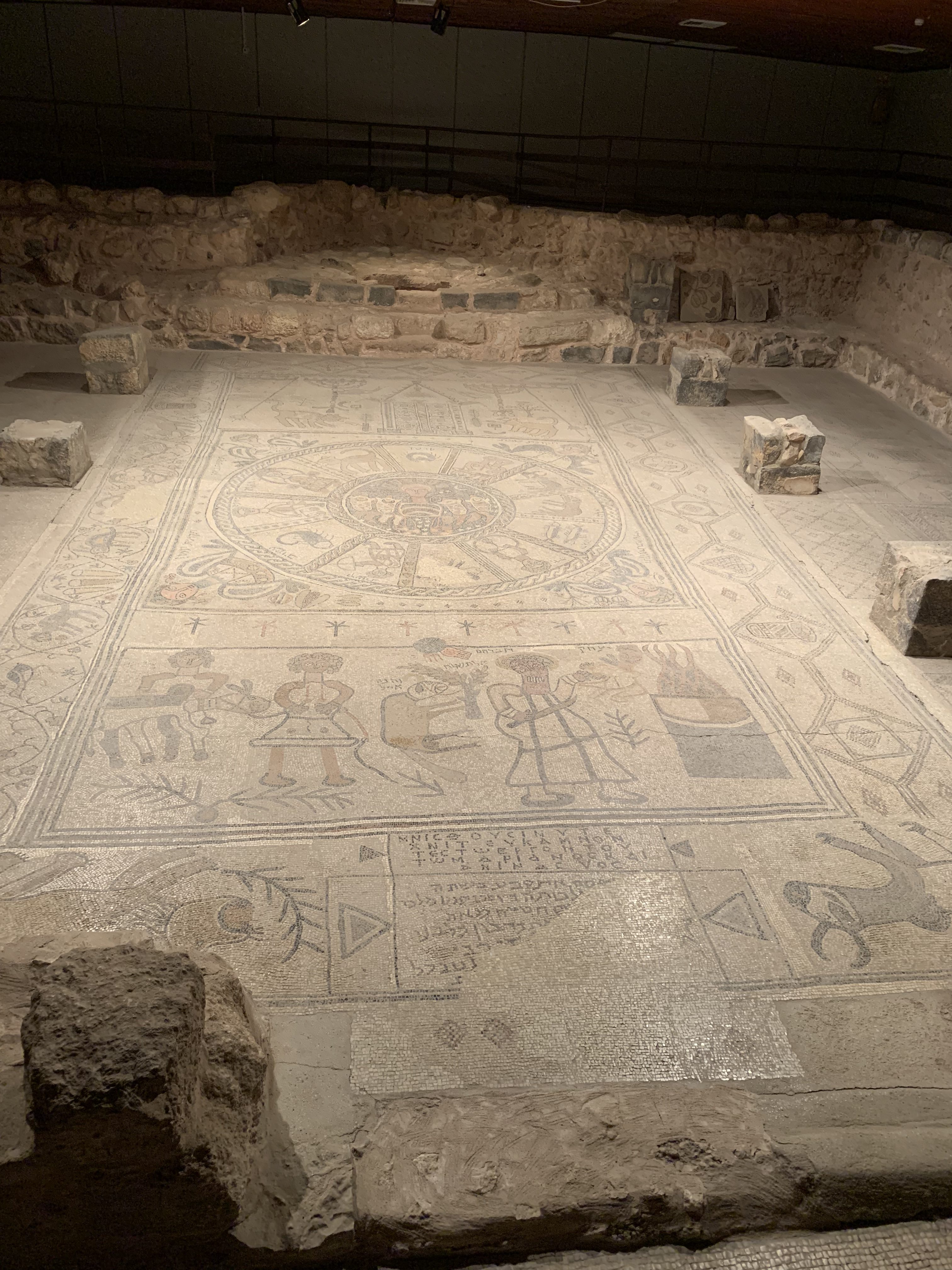
When the members of Kibbutz Heftzibah were digging an irrigation channel in 1928, they uncovered a Byzantine-era mosaic floor. The excavations revealed the Beit Alpha Synagogue. The three mosaic panels depict traditional Jewish symbols such as a Torah ark, two menorahs, and a shofar alongside a spectacular 12- panel zodiac circle. At the bottom, above inscriptions in Aramaic and Hebrew, Jacob is shown about to sacrifice his son Isaac.
Rona and her mud.
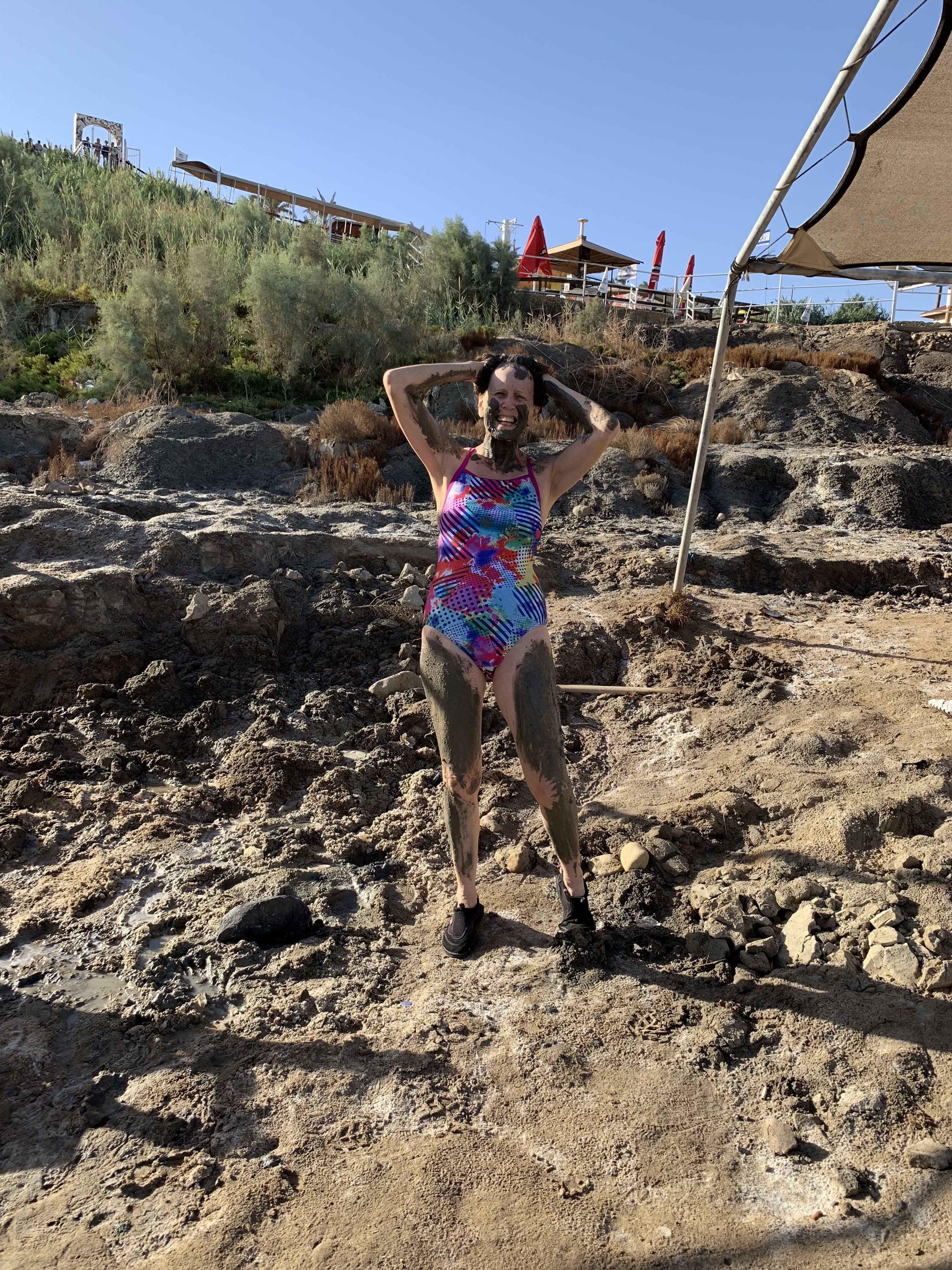
The Dead Sea is the lowest place on the face of the earth. The jagged bluffs of the Judean Desert, surrounded by dry canyons that turn into raging torrents after a cloudburst, rise from the blue waters of the Dead Sea, heavy with salt and oily with minerals.
It was fun to slather myself in natural black mud at a Desd Sea beach. The Dead Sea’s salt concentration is about 34%, making it 10 times more saline than the ocean.
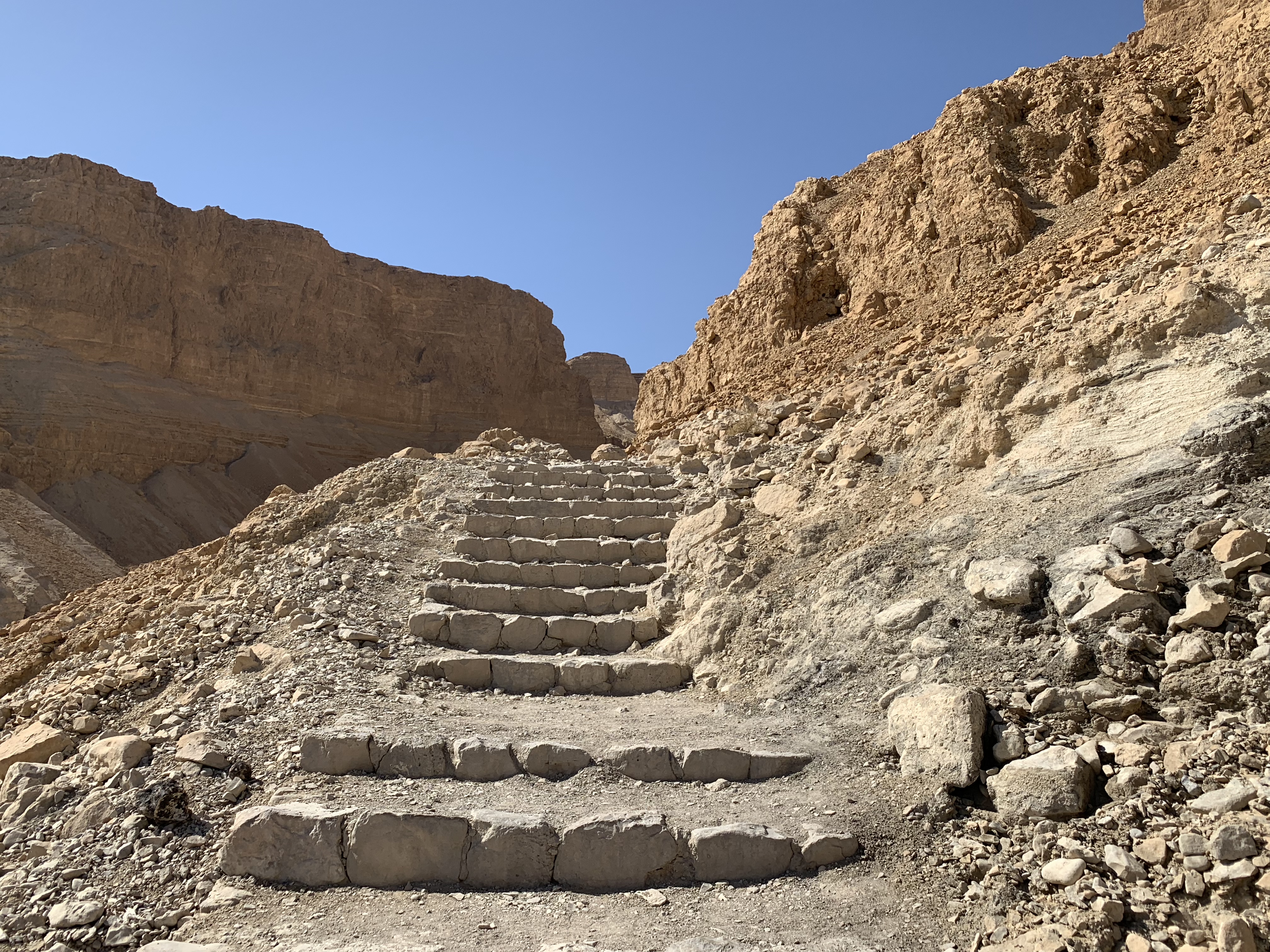
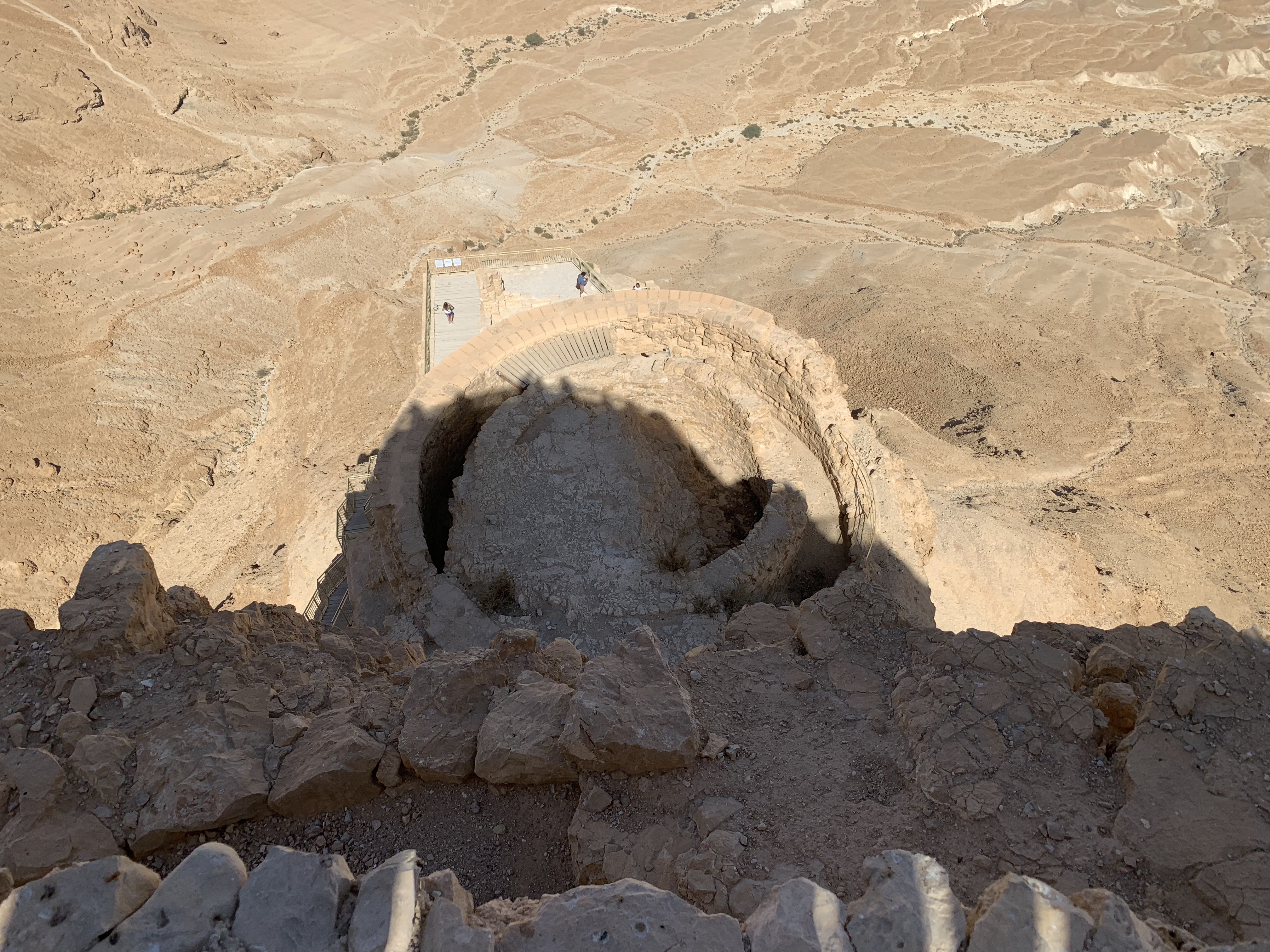
Our guide, Sagi, picked us up at 8:00 AM and we headed to Masada. Against Paul’s opinion, I climbed the Snake Path instead of the tram.
After the Romans conquered Jerusalem in 70 CE, almost a thousand Jews-men, women and children-made a desperate last stand atop Masada, a desert Mesa surrounded by sheer cliffs and, from 72 CE, the might of the Roman Empire’s Tenth Legion. Archaeological excavations began in 1963. Masada has been a UNESCO World Heritage Site since 2001.