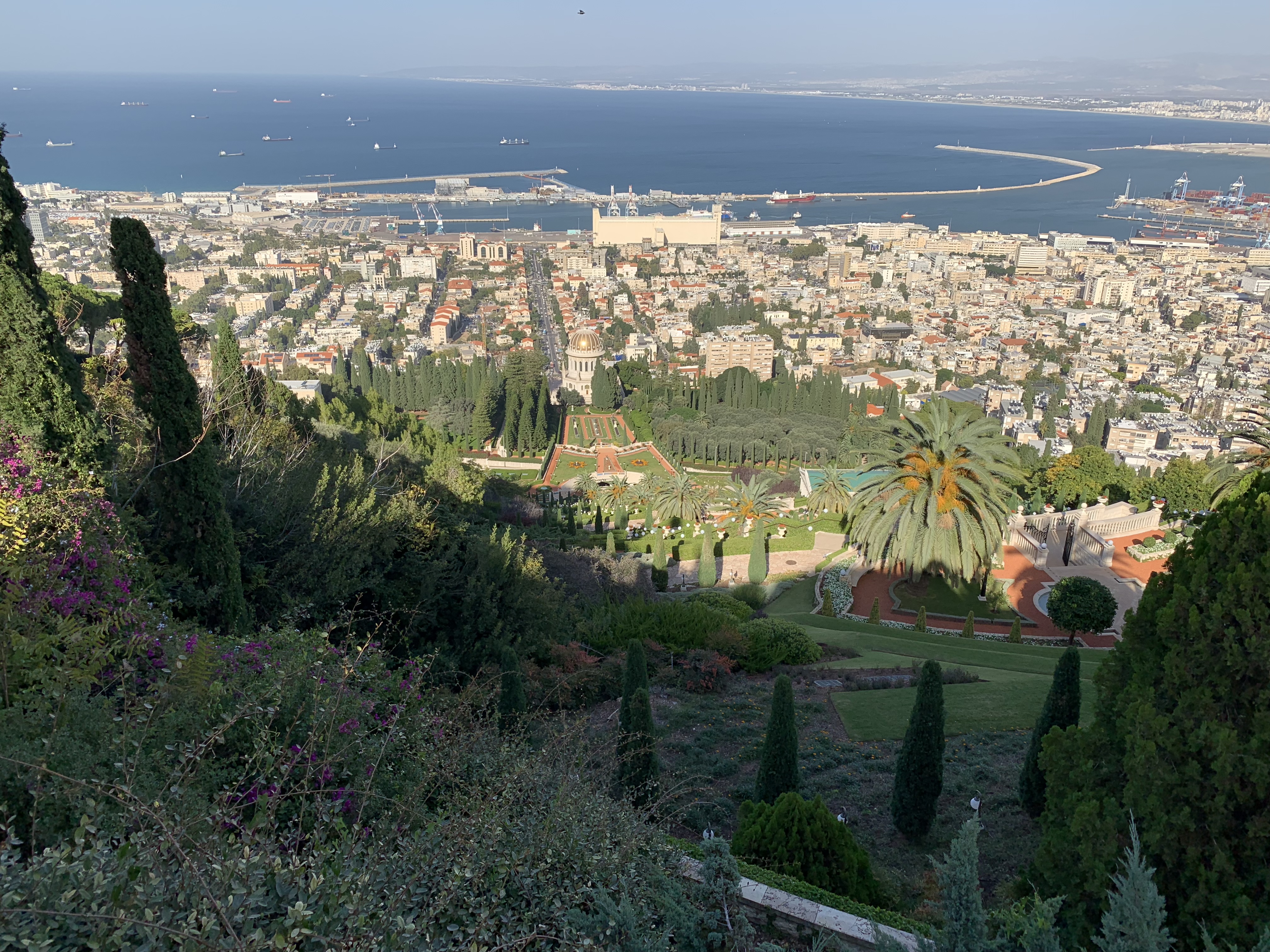
After another fantastic Israeli breakfast, we visited the grave of Maïmōnídēs. Moses Ben Maimon (Hebrew), commonly known as Maïmōnídēs, and also referred to by the acronym Rambam, was a medieval Sephardic Jewish philosopher who became one of the most prolific and influential Torah scholars of the Middle Ages.
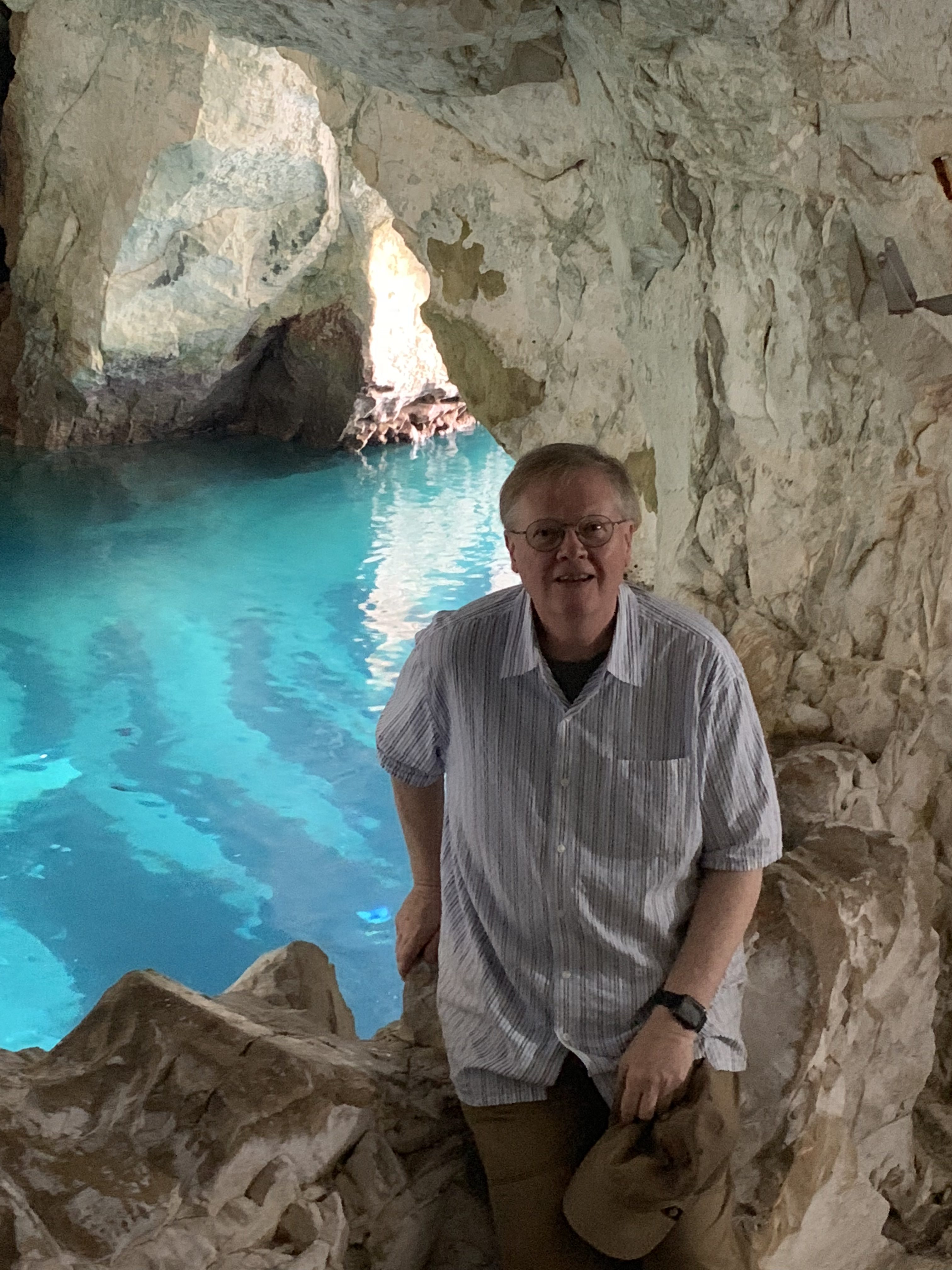
Then we headed to the farthest northwest corner of Israel. The border between Israel and Lebanon comes to a rugged head at Rosh HaNikra, a bluff where jagged white cliffs of limestone plunge into the sea. The road ends at the Rosh HaNikra Grottoes. Inside the grottoes, waves crash against the white walls. Behind the cable-car station, you can see the Haifa-Beirut railway, whose tunnels were excavated by British army engineering units in 1941-1942.
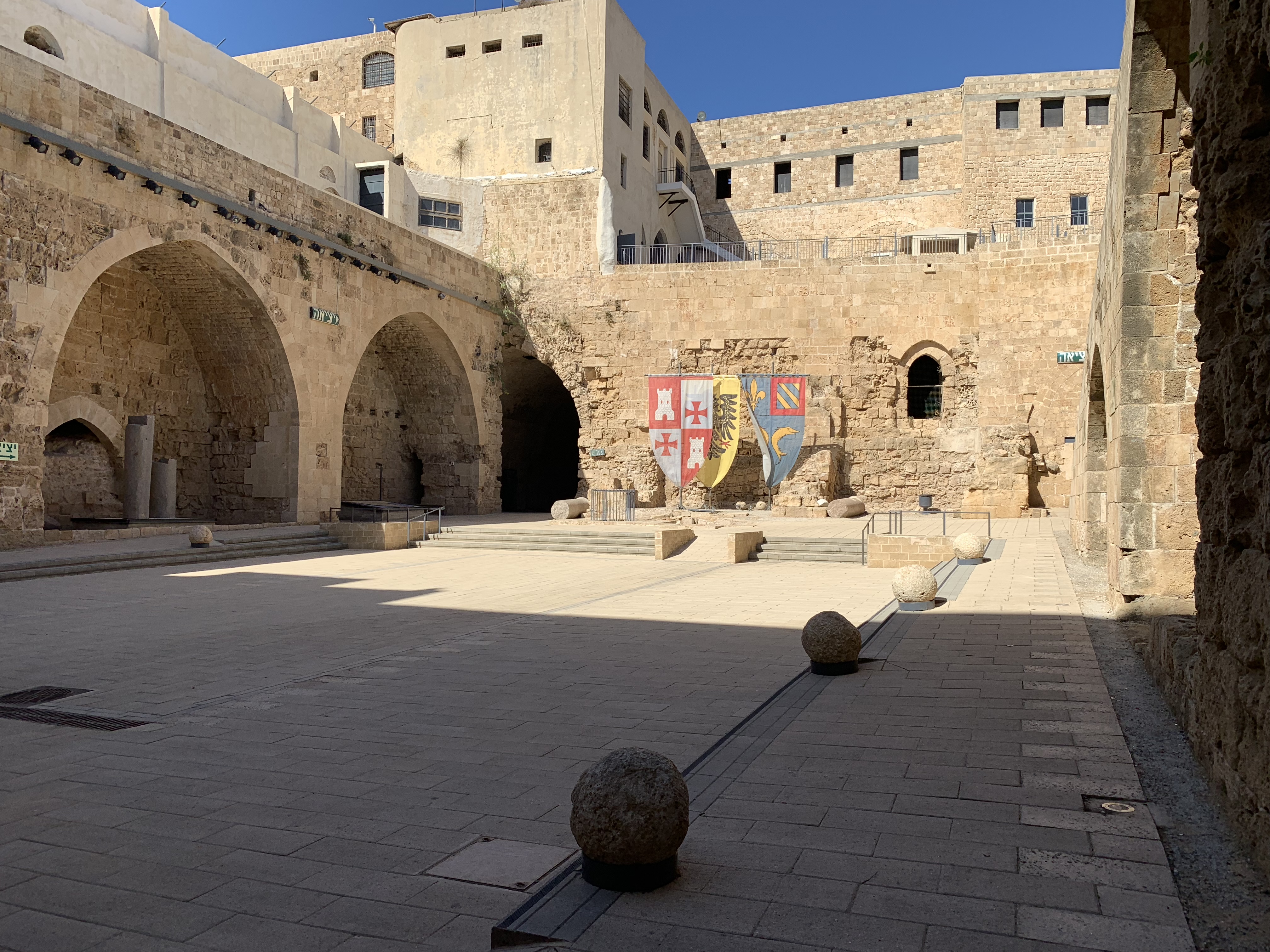
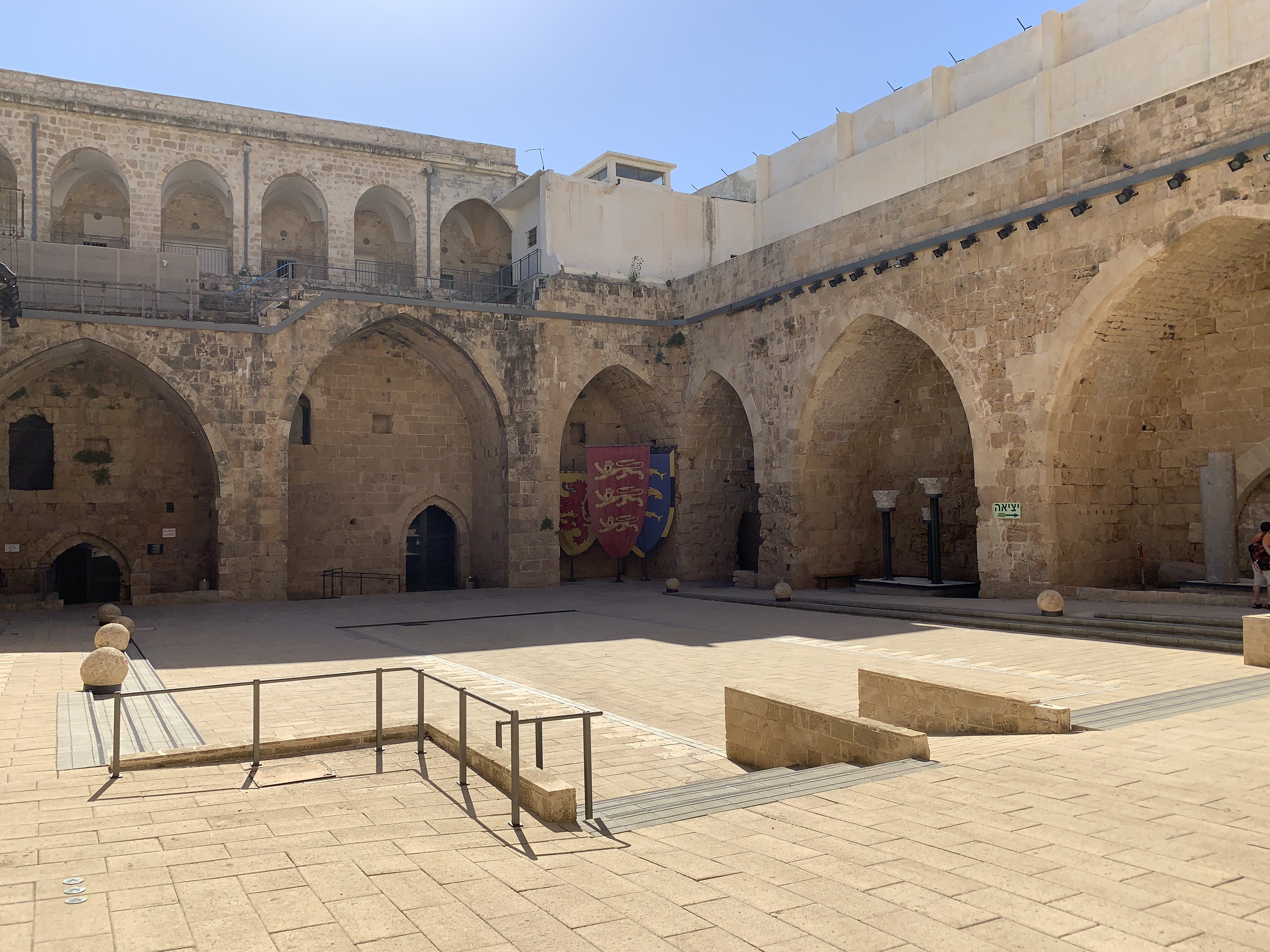
Marco Polo passed through Akko (Acre, Akka in Arabic) around 750 years ago. Akko sits on a peninsula and has towering ramparts, deep moats, green domes, minarets, church towers, secret passageways and subterranean vaults. The city was conquered by many groups throughout its history. Today Akko has about 70% of the residents are Jews and 30% Arabs. However, the population of the old city is about 95% Arab.
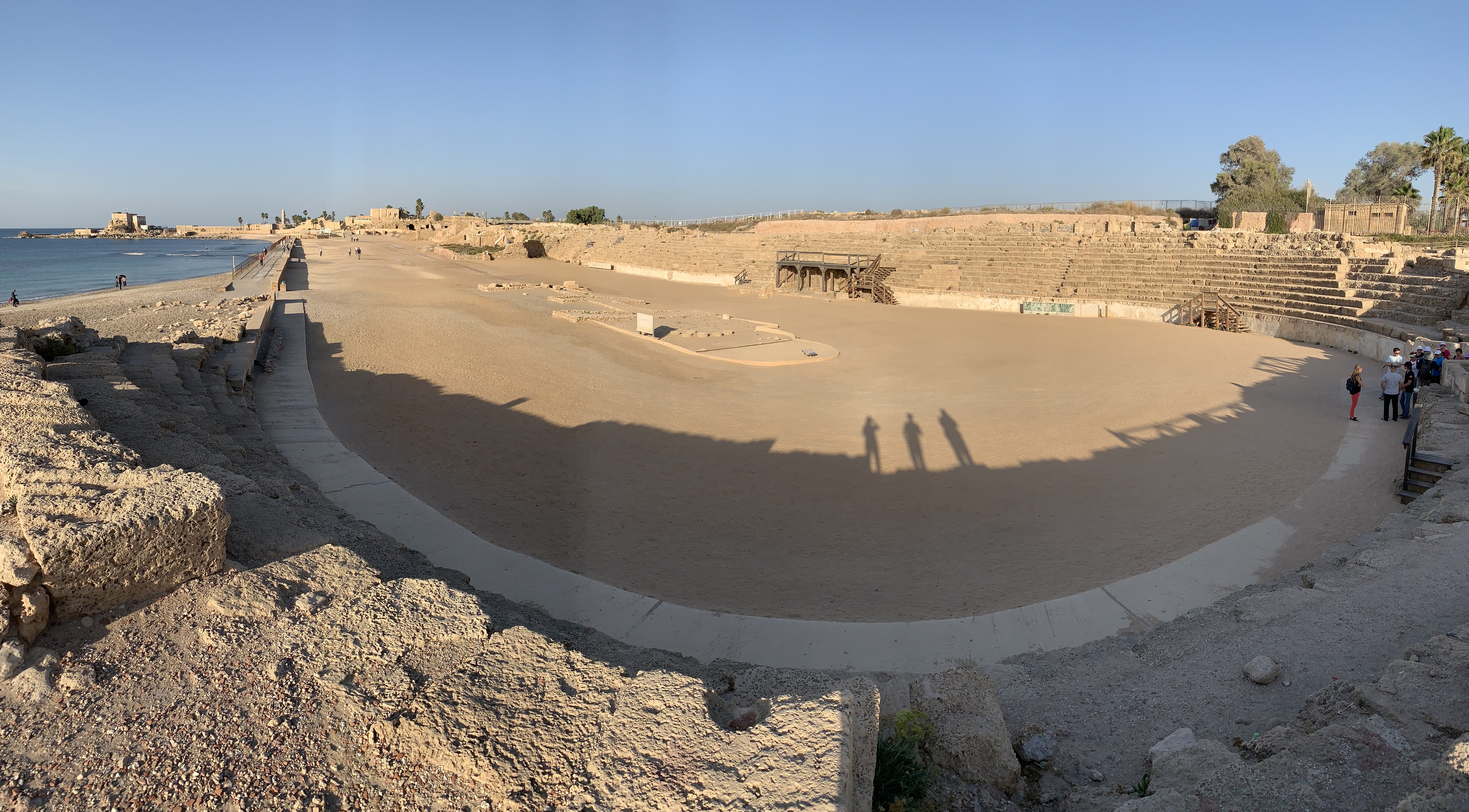
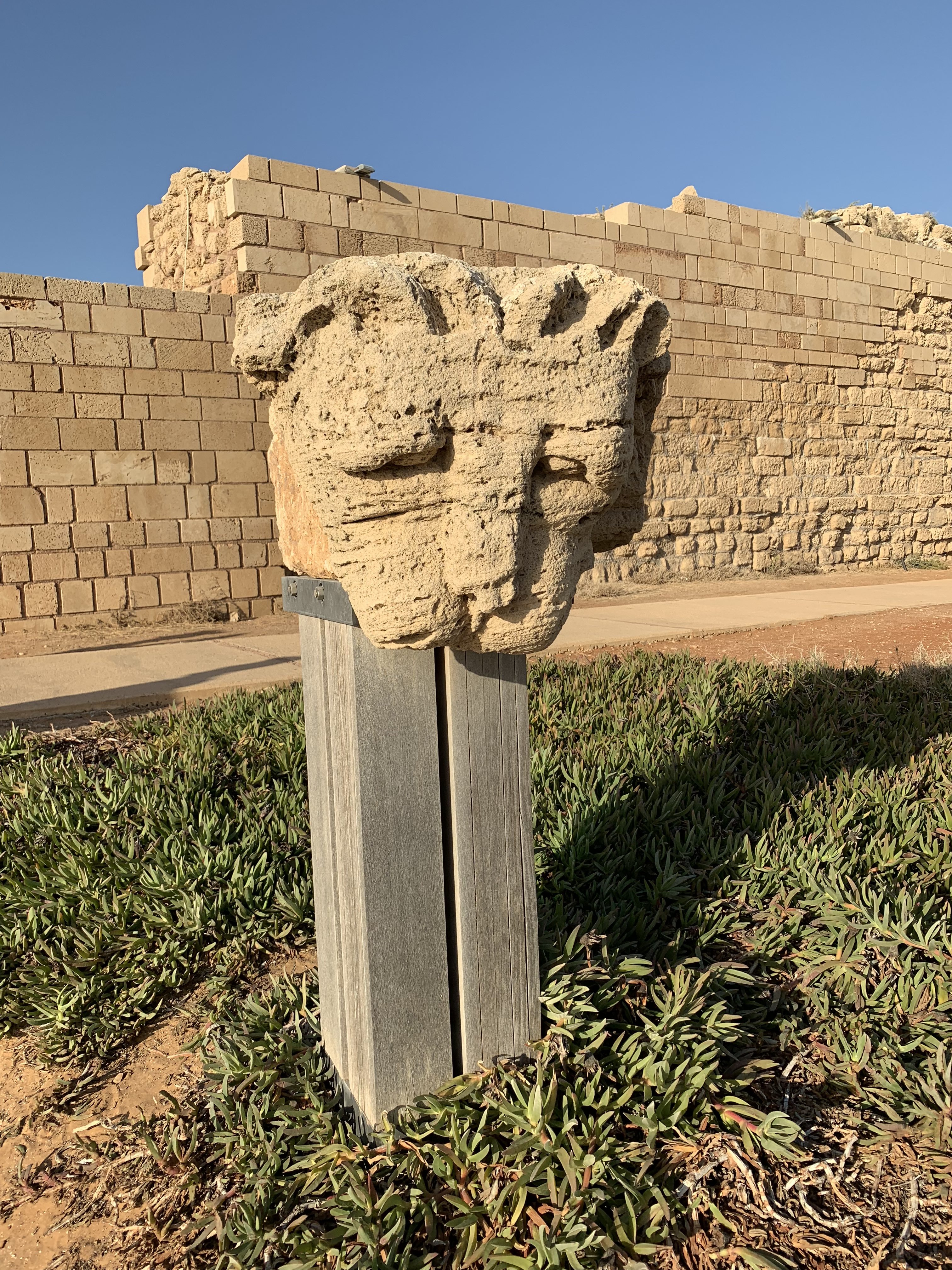
Our final stop for the day was Caesarea National Park. In 22 BCE Herod the Great (73 to 4 BCE) built the port city dedicating it to the Roman emperor Augustus Caesar. Following Herod’s death the city became the capital of the Roman province of Judea. The city changed hands between the Crusaders and the Muslims four times until King Louis IX of France captured it in 1251. It was the establishment of Kibbutz Sdot Yam in 1940 that ancient Caesarea began to re-emerge.